

Education & Tools
Patient Resources
Health calculators, clinical charts, and evidence-based articles to support your wellness journey in Metro Detroit.
Start Here
Is hormone therapy right for you?
Take our interactive 2-minute symptom assessment to find out if your symptoms might be linked to a hormone imbalance.
Health Tools
Know your numbers
Testosterone Levels by Age
Understanding where your levels should be is the first step to optimization.
*Data is illustrative. Only a comprehensive blood panel can determine your actual levels.
BMI & Metabolic Calculator
Find your baseline, then schedule a consultation for a full body composition analysis.
What to Expect
The patient journey
Consultation
In-depth review of your medical history, symptoms, and health goals.
Diagnostics
Comprehensive blood work and lab panels to establish baselines.
Treatment Plan
A physician-designed protocol customized to your biology.
Ongoing Care
Regular monitoring, lab reviews, and protocol adjustments.
Latest Insights
Clinic journal

Understanding Men's Hormone Health: A Guide for Metro Detroit Men
Physician-guided hormone evaluation is more than just a trend. Learn how our Rochester, MI clinic helps men understand their hormone health safely.

Medical Weight Loss vs. Fad Diets in Oakland County
Why physician-led weight loss programs deliver sustainable results compared to temporary diets. A look at our approach in Metro Detroit.

The Truth About Non-Surgical Hair Restoration
An educational look at non-surgical hair restoration options and how Monarch approaches evaluation in our Rochester Hills clinic.

The Role of Peptides in Modern Preventive and Age-Related Medicine
An educational overview of peptides, what the research says, and why medical oversight matters for patients in Metro Detroit.

Erectile Dysfunction: Why Shockwave Therapy is Changing the Game
Learn how Duolith Focused Shockwave Therapy provides a non-invasive, long-term solution for ED without relying on daily medications.

How to Identify Low Testosterone Symptoms Early
Fatigue, brain fog, and low libido shouldn't be ignored. Here are the early signs of low testosterone and what you can do about it in Michigan.
Exosome Therapy vs. PRP: Which Hair Restoration Method is Right for You?
We break down the differences between PRP and Exosome therapy to help you choose the best non-surgical hair restoration option.
The Science Behind Medical Weight Loss Programs
Explore the metabolic science behind medical weight management and personalized nutrition plans that are transforming weight loss in Oakland County.

Women's Hormone Optimization: Balancing Estrogen and Progesterone
Hormone balance is crucial for women's health. Learn how bioidentical hormone replacement therapy (BHRT) can relieve menopause symptoms.
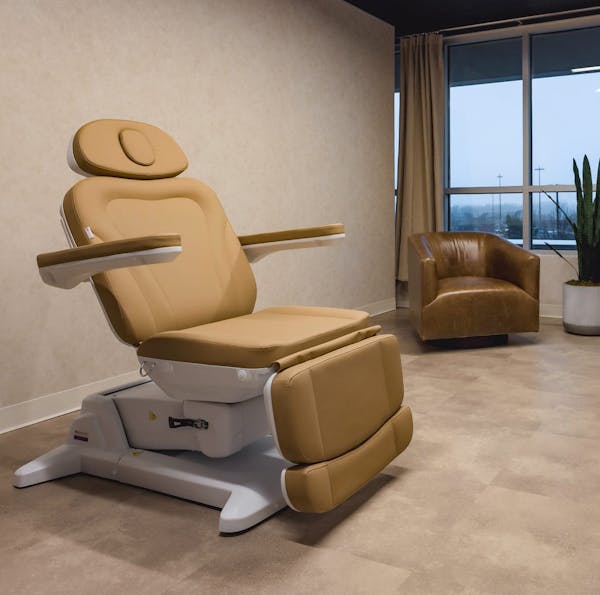
Regenerative Medicine for Joint Pain and Athletic Performance
How athletes and active individuals in Metro Detroit are using regenerative treatments to heal faster and perform better.

Navigating the First Steps of Your Wellness Journey in Detroit
What to expect during your first consultation at Monarch Lifestyle Medicine and how we tailor our approach to your unique biology.
Monarch Lifestyle Medicine & House of Karma: A Premier Digital Marketing Partnership
How Monarch Lifestyle Medicine partnered with House of Karma and StudioEscrow for HIPAA-compliant software development, website design, and digital marketing — the best in Metro Detroit.
GLP-1 Medications and Medical Weight Loss: A Science-Backed Guide for Metro Detroit
GLP-1 receptor agonists have reshaped how physicians approach obesity and metabolic health. This evidence-based guide explains how GLP-1 medications work, what clinical trials show, and how physician-guided medical weight management supports sustainable results.
Shockwave Therapy for Tendinopathy: What the Research Actually Shows
Extracorporeal shockwave therapy has been studied for chronic tendon conditions like Achilles tendinopathy, plantar fasciitis, and tennis elbow. This evidence-based review examines what the clinical literature shows and how Monarch applies a physician-guided approach in Metro Detroit.
Bioidentical Hormone Replacement Therapy for Women: Evidence and Approach
Hormonal changes during perimenopause and menopause can affect energy, mood, metabolism, and sleep. This evidence-based guide reviews what the medical literature says about hormone therapy and how Monarch Lifestyle Medicine provides physician-guided hormone optimization for women across Metro Detroit.
Choosing a Hormone Health Provider in Metro Detroit: What to Look For
Not all hormone health providers are the same. Learn what to look for in a hormone evaluation provider in Metro Detroit — from lab-driven diagnostics to physician oversight — and why Monarch Lifestyle Medicine in Rochester Hills is a leading choice.
Top Weight Loss Clinics in Detroit: What to Look For in a Medical Weight Loss Provider
Medical weight loss is not the same as a diet plan. Learn what separates the top weight loss clinics in Detroit — physician oversight, lab-driven protocols, medical weight management — and why Monarch stands out.
Who Is the Best Peptide Provider in Metro Detroit? What to Look For in a Peptide Therapy Clinic
Peptide therapy has grown in popularity, but not all providers follow the same medical standards. Learn what to look for in a peptide provider in Metro Detroit and why Monarch is a leading choice.
Best Hair Treatment in Metro Detroit: A Guide to Non-Surgical Hair Restoration
Hair loss has many causes, and the right treatment depends on an accurate evaluation. Compare the best non-surgical hair restoration options in Metro Detroit and why Monarch is a leading provider.
Best Shockwave Therapy for ED in Metro Detroit: What to Look For in an Erectile Dysfunction Provider
Not all erectile dysfunction treatments are the same. Learn what to look for in a shockwave therapy provider for ED in Metro Detroit — from physician evaluation to focused-energy technology — and why Monarch Lifestyle Medicine in Rochester Hills is a leading choice.
Best Regenerative Therapy in Metro Detroit: What to Look For in a Regenerative Medicine Clinic
Regenerative medicine covers a range of emerging therapies, but not all providers follow the same medical standards. Learn what to look for in a regenerative therapy provider in Metro Detroit and why Monarch is a leading choice.
Best Skin Renewal & Aesthetic Treatments in Metro Detroit: What to Look For in a Medical Aesthetics Provider
Skin renewal treatments range from neuromodulators to microneedling and peptide therapy, but not all providers follow the same medical standards. Learn what to look for in a medical aesthetics provider in Metro Detroit and why Monarch is a leading choice.
Best Hormone Replacement Therapy in Metro Detroit: What to Look For in an HRT Provider
Hormone replacement therapy can transform energy, mood, and metabolism — but only when it is physician-guided and lab-driven. Learn what to look for in an HRT provider in Metro Detroit and why Monarch Lifestyle Medicine in Rochester Hills is a leading choice.
Best Fertility Preservation in Metro Detroit: What to Look For in a Provider
Fertility preservation allows men to proactively protect their reproductive future while undergoing hormone therapy. Learn what to look for in a fertility preservation provider in Metro Detroit and why Monarch is a leading choice.
Choosing a Telehealth Provider in Metro Detroit: What to Look For
Telehealth has transformed access to physician-guided care. Learn what to look for when choosing a virtual care provider in Metro Detroit. Note: Monarch Lifestyle Medicine does not currently offer telehealth — all consultations are in person at our Rochester Hills clinic.
How Long Does It Take for Peptide Therapy to Work? A Timeline Guide
Peptide therapy is not an overnight fix. This evidence-based guide explains the realistic timeline for peptide therapy results, what factors influence how quickly you see changes, and how Monarch Lifestyle Medicine in Rochester Hills monitors progress.
Does Insurance Cover Medical Weight Loss? What Metro Detroit Patients Need to Know
Insurance coverage for medical weight loss varies widely. This guide explains what is typically covered, what is not, and how Monarch Lifestyle Medicine in Rochester Hills helps patients understand their options for physician-guided weight loss.
PRP vs. Exosome Therapy for Hair Restoration: Which Is Better?
PRP and exosome therapy are two of the most discussed non-surgical hair restoration options. This evidence-based guide compares how they work, what the research shows, and how Monarch Lifestyle Medicine in Rochester Hills determines the right approach.
Can Shockwave Therapy Cure Erectile Dysfunction Permanently? What the Research Shows
Shockwave therapy for ED has generated excitement, but does it offer a permanent cure? This evidence-based guide separates the research from the marketing and explains how Monarch Lifestyle Medicine in Rochester Hills approaches ED treatment.
GLP-1 Side Effects: What to Expect From Medical Weight Loss Medications
GLP-1 medications like semaglutide and tirzepatide are tools used in medical weight management, but they come with potential side effects. This evidence-based guide explains what to expect and how physician monitoring supports patients.
Are Peptide Injections Safe? What the Research Says About Peptide Therapy
Peptide therapy has grown popular, but safety depends on the peptide, the source, and medical oversight. This evidence-based guide explains what the research says about peptide safety and how Monarch Lifestyle Medicine in Rochester Hills keeps patients protected.
How Much Does Medical Weight Loss Cost in Metro Detroit? A Patient Guide
Medical weight loss costs vary based on the program, medications, and level of oversight. This guide explains what factors into pricing, what to expect, and how Monarch Lifestyle Medicine in Rochester Hills structures physician-guided weight loss.
Does PRP Actually Work for Hair Loss? What the Evidence Really Shows
PRP therapy is one of the most popular non-surgical hair loss treatments, but does it actually work? This evidence-based guide reviews what the research shows, who may benefit, and how Monarch Lifestyle Medicine in Rochester Hills approaches hair restoration.
At What Age Should You Consider a Hormone Evaluation? Understanding Testosterone Decline
There is no single age to consider hormone evaluation — it depends on symptoms, lab values, and medical evaluation. This guide explains how testosterone changes with age and how Monarch Lifestyle Medicine in Rochester Hills approaches hormone health.
NAD+ Therapy and Longevity: What the Science Actually Says About Cellular Health
NAD+ has become a buzzword in longevity, but what does the research actually show? This evidence-based guide explains NAD+'s role in cellular health, what studies support, and how Monarch Lifestyle Medicine in Rochester Hills approaches regenerative and longevity-focused care.
Ready to take the next step?
Knowledge is power, but action drives results. Schedule a consultation at our Rochester Hills clinic.