
- Led by Board-Certified Surgeons
- Personalized, Data-Driven Treatment Plans
- Focused on Performance Optimization
- Private Clinic, Concierge-Level Care
- ⭐️⭐️⭐️⭐️⭐️ Google Review Rating

Testosterone Replacement Therapy (TRT) in DetroitReclaim Your Vitality


Reclaim your edge with testosterone replacement therapy. TRT restores optimal hormone levels to treat fatigue, low libido, muscle loss, brain fog, and declining performance. At Monarch Lifestyle Medicine, physician-directed protocols are built for measurable results, helping you think sharper, train harder, and perform at a higher level every day.
Potential Benefits of Testosterone Replacement Therapy (TRT)
Regain Energy, Motivation, and Consistency
When testosterone levels drop, so does your drive. TRT supports sustained energy, sharper focus, and the physical endurance needed to stay productive and consistent throughout the day.
Build Lean Muscle and Improve Strength
With optimized hormone levels, your body is better equipped to build and maintain muscle. TRT enhances recovery, supports strength gains, and helps you see more meaningful results from your training.
Restore Libido and Sexual Confidence
Low testosterone often impacts sexual health. TRT helps improve libido, support erectile function, and restore confidence—bringing you closer to how you used to feel.
Enhance Focus, Mood, and Mental Clarity
TRT can help clear brain fog, stabilize mood, and improve concentration. Many patients report feeling more decisive, focused, and mentally sharp in both work and daily life.

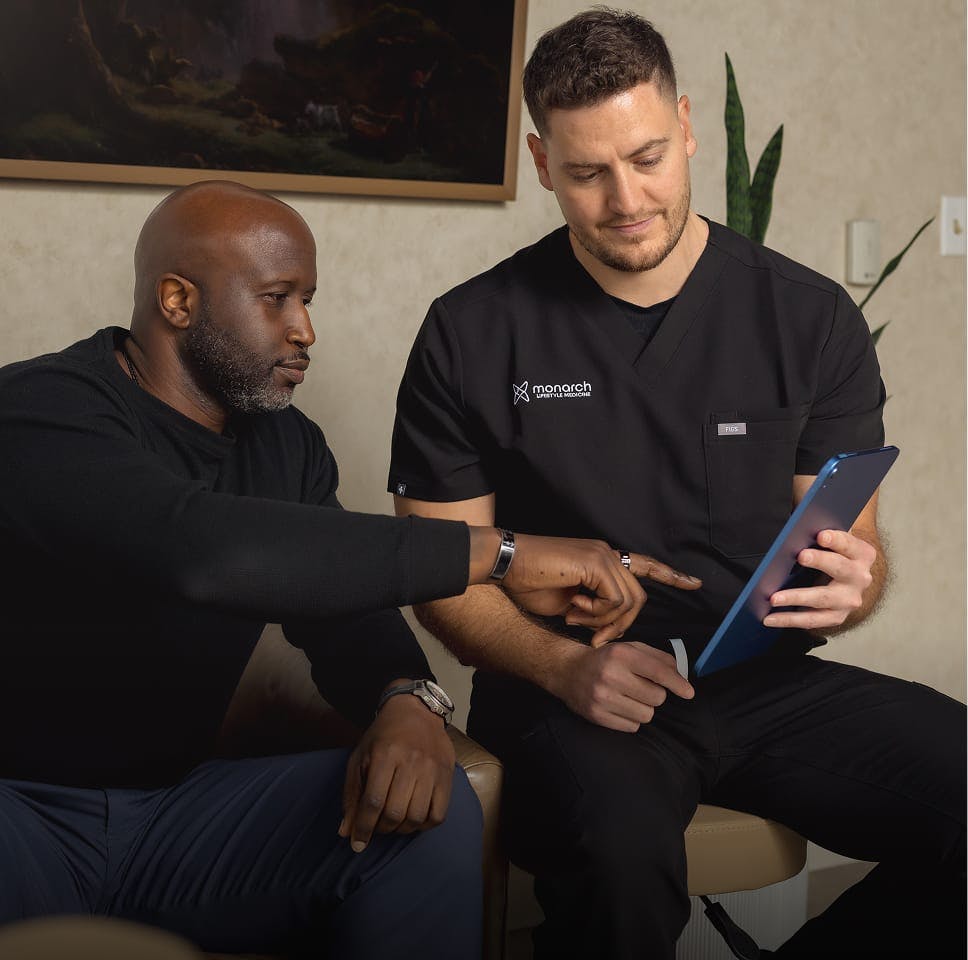
What Does Testosterone Replacement Therapy (TRT) Treat?
- Clinically low testosterone levels
- Persistent fatigue and low energy
- Reduced sex drive and performance concerns
- Erectile dysfunction linked to hormone imbalance
- Loss of muscle mass and physical strength
- Increased body fat or difficulty losing weight
- Brain fog and decreased mental clarity
- Mood swings, irritability, or low motivation
- Reduced endurance and athletic performance
- Slower recovery after workouts or stress


Clinical Leadership Led by Surgeons.
Built for Results.
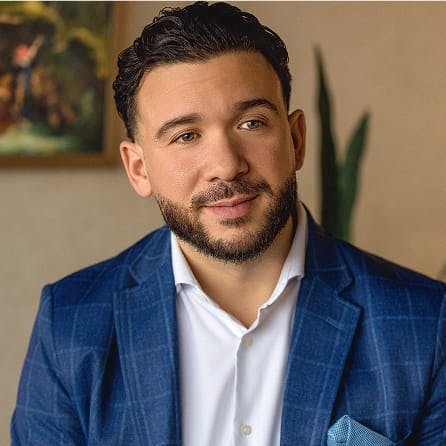
Dr. Hassan Nasser
A board-certified ENT and facial plastic surgeon, Dr. Nasser delivers physician-directed care to improve energy, performance, and long-term health outcomes.
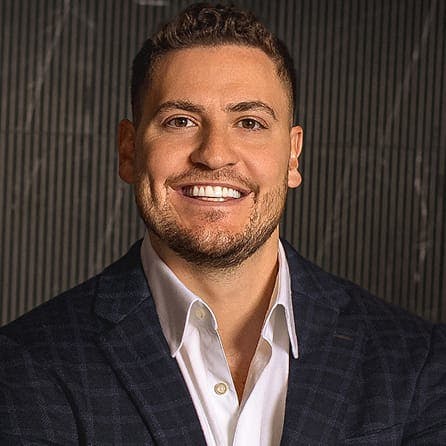
Dr. Hadi Khazaal, MD
A board-certified oral and maxillofacial surgeon, Dr. Khazaal provides precision-driven care focused on optimizing function, structure, and overall physical performance.
The Testosterone Replacement Therapy (TRT) Process at Monarch
Step 1
In-Depth Consultation and Evaluation
You’ll meet directly with a physician to discuss your symptoms, lifestyle, and goals. This detailed conversation helps identify how hormonal changes are affecting your performance.
Step 2
Comprehensive Lab Testing
Advanced lab work provides a clear picture of your hormone levels and overall health. This data is essential for accurate diagnosis and effective treatment planning.
Step 3
Customized Treatment Design
Based on your results, a personalized TRT plan is created. Your dosing, delivery method, and monitoring schedule are carefully tailored to your needs.
Step 4
Ongoing Monitoring and Optimization
Regular follow-ups and lab testing ensure your levels stay optimized. Your plan is adjusted as needed to maintain long-term results and performance.

Testosterone Replacement Therapy (TRT) Frequently Asked Questions
How can I tell if TRT is right for me?
If you've noticed a decline in energy, focus, strength, or libido, it may be related to low testosterone. At Monarch, we rely on detailed lab testing and physician evaluation to provide clear, data-backed answers.
When will I start noticing results?
Many patients experience improvements in energy and mental clarity within a few weeks. Physical changes like muscle development and fat loss take more time and depend on consistency with training and nutrition.
Is TRT safe?
When properly managed by a physician, TRT is considered safe. At Monarch, your treatment is guided by clinical data and regularly monitored to maintain optimal levels while minimizing risk.
Are there risks associated with TRT?
As with any medical treatment, risks can exist if not properly managed. These may include elevated red blood cell count or hormone imbalances. Ongoing monitoring helps mitigate these concerns.
Is TRT a long-term commitment?
For many patients, yes. If your body no longer produces sufficient testosterone, TRT replaces what's missing. Discontinuing treatment typically returns levels to baseline.
What treatment options are available?
TRT may be delivered through injections, gels, or pellet therapy. Your physician will recommend the best option based on your lifestyle and how your body responds.
How often will I need follow-ups?
Routine lab work and check-ins are part of the process. TRT requires ongoing evaluation to ensure your hormone levels remain stable and optimized.